
Male fertility is an important part of the reproductive health journey, yet it is sometimes overlooked when couples are trying to conceive. Difficulty in achieving pregnancy can involve factors affecting either partner, and evaluating both partners can help doctors understand the possible reasons more systematically. A Sperm Count Test in Jaipur is one of the commonly used initial investigations for assessing male reproductive health. The test can provide information about sperm concentration as well as other semen characteristics that may help a fertility specialist decide whether additional evaluation is needed.
For couples seeking fertility care in Jaipur, understanding the purpose of semen testing can make the diagnostic process less confusing. At ASMEE IVF & Fetal Medicine Centre, fertility evaluation can involve a structured assessment based on an individual’s medical history, examination, and appropriate investigations. While a sperm count test is not a complete measure of male fertility by itself, it can provide useful information about sperm production and help doctors determine the next steps. Depending on the findings, a fertility specialist may recommend repeat testing, additional investigations, lifestyle changes, medical treatment, or assisted reproductive options such as IVF when clinically appropriate.
What Is a Sperm Count Test?
A sperm count test, commonly performed as part of a semen analysis, evaluates a semen sample to assess several characteristics related to sperm. Sperm concentration is one of the measurements, but a comprehensive semen analysis can also examine semen volume, sperm movement, and sperm morphology, among other parameters. These measurements provide a broader picture than sperm count alone and can help a doctor identify findings that may require further evaluation.
It is important to understand that semen analysis results are not a simple pass-or-fail assessment of fertility. Sperm characteristics can vary between samples, and one test result may not represent a person’s overall reproductive potential. If an initial result is outside the expected range, a doctor may recommend another sample or additional testing before drawing conclusions. This is one reason professional interpretation is important when reviewing a Sperm Count Test in Jaipur.
Why Is Sperm Testing Important in Male Fertility Diagnosis?
When a couple experiences difficulty conceiving, male factors can contribute to infertility. A semen analysis provides an accessible way to begin evaluating some aspects of male reproductive function. Low sperm concentration, reduced sperm movement, or changes in sperm morphology may provide clues about potential fertility-related problems.
The value of the test is not simply in identifying an abnormal number. Instead, the results can help a fertility specialist decide what questions need to be investigated further. For example, certain findings may lead to questions about hormonal function, previous infections, medications, lifestyle factors, reproductive anatomy, or other medical conditions. A complete fertility assessment therefore combines test results with medical history and other relevant investigations rather than relying on sperm count alone.
What Does a Semen Analysis Usually Measure?
A semen analysis can provide several measurements that are relevant to male reproductive health. Sperm concentration indicates the number of sperm present in a particular volume of semen. Motility describes how sperm move, which is relevant because sperm need to travel effectively through the female reproductive tract to reach and potentially fertilize an egg. Morphology refers to the shape and structure of sperm.
Other semen characteristics may also be assessed, including semen volume and appearance. Depending on the clinical situation, a fertility specialist may recommend additional tests beyond routine semen analysis. Understanding this broader picture is important because fertility is a complex process, and no single measurement can completely describe a man’s ability to contribute to conception.
Sperm Count and Sperm Motility Are Not the Same
One common misunderstanding is that sperm count and sperm motility mean the same thing. They measure different characteristics. A person may have a relatively high sperm concentration but reduced motility, while another person may have a lower concentration but other semen characteristics that provide a different clinical picture.
Motility matters because sperm generally need to move effectively to progress through the reproductive tract. For this reason, when discussing a Sperm Count Test in Jaipur, it is more accurate to think in terms of semen analysis rather than focusing exclusively on the count. A fertility specialist can interpret concentration together with motility, morphology, volume, and other findings to understand whether further evaluation may be useful.
How Sperm Count Can Affect Fertility Assessment
Sperm concentration can provide important information about sperm production. A lower-than-expected concentration may be associated with several possible causes, including problems affecting sperm production, hormonal factors, certain medications, previous medical conditions, or lifestyle and environmental influences. However, a single result does not necessarily establish the underlying cause.
Similarly, a normal sperm count does not automatically rule out every possible male fertility issue. Fertility can be influenced by sperm movement, sperm structure, reproductive anatomy, ejaculation, hormonal health, and other factors. Therefore, the purpose of testing is to provide evidence that can be combined with other clinical information. This approach allows fertility specialists to move from a basic laboratory measurement toward a more complete diagnosis.
When Should a Man Consider a Sperm Count Test?
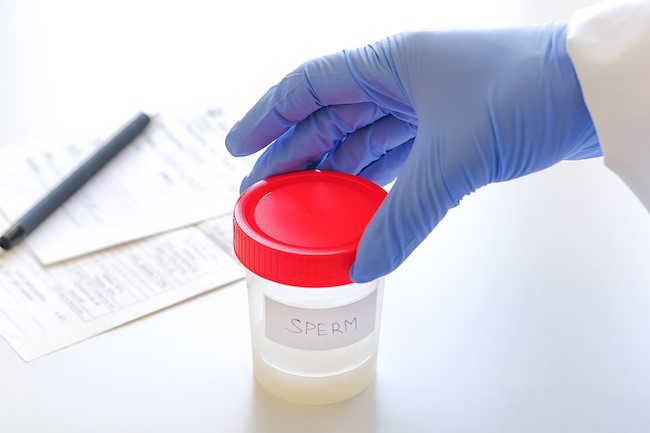
A doctor may recommend semen analysis when a couple has been experiencing difficulty conceiving, particularly when an initial fertility evaluation is being conducted for both partners. The test may also be relevant when there is a history of conditions or treatments that could potentially affect reproductive function.
A fertility evaluation may be appropriate sooner in some circumstances depending on age, medical history, previous reproductive outcomes, or known reproductive health concerns. Instead of deciding independently based on one symptom or internet information, it is useful to discuss the situation with a qualified fertility specialist. The doctor can determine which investigations are relevant based on the individual’s circumstances.
How Is a Sperm Count Test Performed?
Semen analysis generally requires a semen sample that is collected according to the laboratory’s instructions. The laboratory then evaluates the sample using established testing procedures. Instructions concerning the period of abstinence before collection, sample collection, transportation, and timing can vary according to the testing facility and clinical circumstances.
Following the laboratory’s instructions carefully is important because collection and handling can influence test results. If a sample is collected incorrectly or not delivered according to the laboratory’s instructions, the doctor may not be able to interpret the result reliably. Patients should therefore ask the testing centre or fertility specialist for specific preparation instructions before the test.
Why One Sperm Count Test May Not Tell the Whole Story
Sperm production is not completely static, and semen parameters can vary between samples. Factors such as recent illness, fever, stress, medication use, lifestyle changes, and other circumstances may influence semen characteristics. Consequently, an unexpected result does not necessarily mean that a permanent fertility problem exists.
If the first semen analysis shows an abnormality, a fertility specialist may recommend repeating the test after an appropriate interval. The decision depends on the specific result and the person’s medical circumstances. This cautious approach helps distinguish a potentially temporary variation from a finding that requires more detailed investigation.
What Can Cause a Low Sperm Count?
A lower sperm count can have multiple possible causes, which is why diagnosis should be individualized. Potential contributors may include hormonal disorders, conditions affecting the testicles, certain infections, previous surgery, some medications, genetic factors, exposure to certain environmental conditions, and lifestyle-related factors.
In some cases, no single cause is immediately identified. A fertility specialist may therefore consider the person’s medical history, physical examination, semen analysis, and additional tests when appropriate. The goal is not simply to label the sperm count as low but to understand whether an underlying factor can be identified and addressed.
Lifestyle Factors and Male Reproductive Health
Lifestyle can be one component of overall reproductive health. Factors such as tobacco exposure, excessive alcohol consumption, poor sleep, significant stress, sedentary habits, obesity, and certain environmental exposures may be relevant to reproductive health in some individuals. However, lifestyle factors are only one part of a much larger picture.
Men undergoing fertility evaluation should discuss their habits, medications, supplements, and relevant medical history openly with their doctor. Rather than relying on unverified fertility supplements or online recommendations, it is better to identify potentially modifiable factors with professional guidance. A fertility specialist can help determine which changes are appropriate and whether medical evaluation is necessary.
The Role of Male Fertility Evaluation in IVF Planning

IVF is a form of assisted reproductive technology in which eggs and sperm are used to create embryos in a laboratory before an embryo is transferred into the uterus. Male fertility assessment can therefore be relevant when a couple is considering assisted reproduction. Understanding sperm characteristics can help the clinical team determine which approach may be appropriate for the specific circumstances.
For couples researching IVF Treatment in Vaishali Nagar Jaipur, it is important to understand that IVF is not automatically the first treatment for every fertility concern. Doctors generally consider factors affecting both partners, previous treatment history, duration of infertility, age, test results, and other clinical considerations before recommending an assisted reproductive approach.
How Sperm Testing Can Support an Individualized Fertility Plan
Fertility treatment should ideally be based on the findings of an individual evaluation rather than a one-size-fits-all approach. If semen analysis identifies a particular concern, the fertility specialist can determine whether additional testing or treatment is appropriate. In other cases, the results may be reassuring and attention may shift toward other possible contributors to difficulty conceiving.
This is why a Sperm Count Test in Jaipur can be an important starting point rather than an endpoint. The information gained from the test becomes more meaningful when interpreted alongside the couple’s reproductive history and other investigations. An individualized approach can help prevent unnecessary assumptions and allow treatment decisions to be based on relevant clinical information.
When Additional Male Fertility Tests May Be Needed
A routine semen analysis does not evaluate every aspect of male reproductive health. Depending on the findings and medical history, a specialist may recommend additional investigations. These can include hormonal evaluation, physical examination, imaging, genetic testing, or specialized sperm tests in selected cases.
Not every patient requires all of these investigations. The appropriate tests depend on the clinical question the doctor is trying to answer. For example, persistent abnormalities in semen parameters may require a more detailed evaluation than a single borderline result. A fertility specialist can determine whether additional testing is justified based on the overall situation.
Choosing an Infertility Treatment Clinic in Jaipur
When selecting an infertility treatment clinic in Jaipur, couples may want to consider the clinic’s approach to diagnosis as well as its treatment options. Fertility care involves more than procedures; it includes evaluation, counseling, interpretation of test results, treatment planning, monitoring, and appropriate follow-up.
A clinic should provide clear information about recommended investigations and explain why a particular test or treatment is being considered. Patients may also benefit from choosing a centre where fertility evaluation considers both male and female factors. This can help couples understand their situation more comprehensively rather than assuming that difficulty conceiving is automatically caused by one partner.
What Makes a Comprehensive Male Fertility Evaluation Important?
A comprehensive evaluation looks beyond sperm count alone. It considers semen parameters, reproductive history, medical conditions, previous surgeries or infections, medications, lifestyle factors, and other relevant information. The purpose is to identify possible contributors to reduced fertility and determine whether additional assessment is necessary.
For individuals searching for a top Male Fertility Clinic in Jaipur, it is useful to look for an approach that emphasizes proper diagnosis and individualized care. The term “top” can mean different things to different patients, so practical considerations such as the specialist’s qualifications, diagnostic approach, available services, communication, and suitability for the individual’s needs can be more useful than relying solely on online rankings or claims.
How ASMEE IVF & Fetal Medicine Centre Approaches Fertility Care

ASMEE IVF & Fetal Medicine Centre provides fertility-focused care where investigations can be used to understand the factors that may be affecting conception. A semen analysis or Sperm Count Test in Jaipur can form part of the male fertility assessment when clinically indicated. The interpretation of results should be done in the context of the patient’s history and, when applicable, the fertility evaluation of both partners.
For couples considering infertility treatment clinic in Jaipur options, understanding the diagnosis is an important part of the treatment journey. ASMEE IVF & Fetal Medicine Centre can help patients understand the role of fertility investigations and the potential treatment pathways that may be considered based on individual findings. The appropriate approach can differ considerably between couples, so professional evaluation remains important.
Questions to Ask Before a Sperm Count Test
Before undergoing semen analysis, patients may want to understand how to prepare for the sample, how it should be collected, when it should be delivered, and when results will be available. It can also be helpful to ask whether the test includes only sperm concentration or a broader semen analysis.
Patients should also inform their doctor about medications, recent illness, supplements, previous reproductive procedures, and relevant medical conditions. Providing complete information allows the specialist to interpret the findings more appropriately and decide whether repeat testing or additional evaluation may be necessary.
Understanding Your Results Without Panic
Receiving a semen analysis report with a value outside the laboratory’s reference range can naturally cause concern. However, an abnormal result does not automatically mean that pregnancy is impossible. Fertility depends on multiple factors, and semen parameters can vary over time.
The right response is to review the report with a fertility specialist. The doctor can explain what each measurement means, determine whether the result is clinically significant, and decide whether repeat testing or further investigations are appropriate. This is much more useful than comparing an individual laboratory value with information found on social media or unrelated online sources.
Why Early and Proper Evaluation Can Be Helpful
Seeking appropriate fertility evaluation can help couples understand their reproductive health rather than continuing to make assumptions about the reason for delayed conception. A Sperm Count Test in Jaipur may provide an important initial insight into male reproductive parameters and can help guide the next stage of evaluation when needed.
Early evaluation does not necessarily mean that a couple will require IVF or another assisted reproductive procedure. In some situations, the evaluation may identify a manageable factor or provide reassurance. In other cases, further treatment may be appropriate. The important point is that decisions should be based on clinical findings rather than assumptions.
Final Thoughts
A Sperm Count Test in Jaipur can play an important role in the evaluation of male fertility because it provides measurable information about sperm concentration and, when performed as part of a semen analysis, other characteristics such as motility and morphology. However, sperm count should not be viewed as a standalone diagnosis of fertility. Results can vary, and a fertility specialist may need to consider medical history, examination findings, repeat testing, or additional investigations before determining the significance of a result.
For couples exploring IVF Treatment in Vaishali Nagar Jaipur or looking for an infertility treatment clinic in Jaipur, understanding the diagnostic process is an important first step. At ASMEE IVF & Fetal Medicine Centre, fertility assessment can help identify relevant factors and support an individualized treatment discussion. Whether the next step involves observation, further testing, medical management, or assisted reproduction, the appropriate pathway depends on the individual’s clinical circumstances. A clear diagnosis and evidence-based discussion can help couples approach fertility care with better understanding and realistic expectations.
FAQs
1. What is a Sperm Count Test in Jaipur?
A Sperm Count Test in Jaipur is generally performed as part of semen analysis to assess sperm concentration in a semen sample. A comprehensive semen analysis may also evaluate sperm motility, morphology, semen volume, and other characteristics. The results should be interpreted by a qualified healthcare professional because one semen analysis does not independently determine overall fertility.
2. Does a low sperm count mean that a man cannot have children?
No. A low sperm count can reduce the likelihood of natural conception, but it does not automatically mean that conception is impossible. Fertility depends on several factors involving both partners. Depending on the cause and severity of the finding, a fertility specialist may recommend repeat testing, further evaluation, medical management, or assisted reproductive options.
3. Is sperm count testing required before IVF?
Male fertility evaluation, which commonly includes semen analysis, can be an important part of the assessment before IVF. However, the exact investigations required depend on the couple’s medical history and fertility circumstances. A specialist can determine which tests are appropriate before recommending IVF Treatment in Vaishali Nagar Jaipur.
4. What should I look for in an infertility treatment clinic in Jaipur?
When choosing an infertility treatment clinic in Jaipur, consider factors such as the qualifications and experience of the fertility specialists, the diagnostic approach, available fertility services, communication with patients, and whether treatment recommendations are individualized. Understanding why a particular investigation or treatment is being suggested can also help you make informed decisions about your care.
5. Can a normal sperm count still be associated with fertility problems?
Yes. Sperm concentration is only one aspect of semen analysis. Sperm movement, morphology, ejaculation, reproductive anatomy, hormonal factors, and other male or female fertility factors can also influence conception. A normal sperm count therefore does not rule out every possible fertility-related issue, which is why a comprehensive evaluation may be necessary.