

Starting a family is an important journey, but some individuals and couples may experience difficulties when trying to conceive. Fertility concerns can arise for several reasons, including hormonal imbalances, ovulation problems, blocked fallopian tubes, sperm-related factors, age-related changes, or unexplained infertility. Understanding the possible causes and available treatment options is the first step towards making informed decisions. Seeking professional guidance for Fertility Treatment in Jaipur can help couples understand their reproductive health, identify potential challenges, and explore suitable care based on their individual circumstances.
At ASMEE IVF & Fetal Medicine Centre, individuals and couples can seek guidance regarding fertility evaluation, reproductive health, and assisted conception options. A fertility consultation generally begins with a review of medical history, menstrual patterns, previous pregnancies, and the length of time a couple has been trying to conceive. Depending on the findings, the specialist may recommend investigations, lifestyle guidance, medication, or assisted reproductive techniques such as intrauterine insemination (IUI) and in vitro fertilisation (IVF). Every fertility journey is different, which is why a personalised assessment is important for understanding the next steps and choosing an appropriate treatment approach.
What Is Fertility Treatment in Jaipur?
Fertility Treatment in Jaipur includes medical assessments and treatment options designed to help individuals and couples address difficulties with conception. The recommended approach depends on the underlying cause of infertility, the age and health of both partners, previous treatment history, and personal preferences. Some couples may benefit from addressing ovulation problems or other treatable conditions, while others may require assisted reproductive techniques. A fertility specialist evaluates these factors before recommending a suitable plan.
Fertility treatment does not always begin with IVF. In many cases, the initial steps involve understanding the menstrual cycle, reviewing reproductive health, assessing sperm health, and identifying factors that may affect conception. Depending on the diagnosis, treatment may include ovulation-inducing medication, management of an underlying condition, or guidance on the timing of intercourse. When these approaches are not appropriate or have not been successful, the specialist may discuss IUI or IVF. Understanding the purpose, benefits, limitations, and possible risks of each option helps couples make informed decisions about their care.
When Should You Visit a Fertility Clinic in Jaipur?
Knowing when to seek professional advice can help couples avoid unnecessary delays in fertility evaluation. Generally, couples should consider an infertility assessment if pregnancy has not occurred after 12 months of regular, unprotected intercourse. For women aged 35 or older, evaluation is commonly recommended after six months of trying. Women over 40 may benefit from more immediate assessment, while individuals with known reproductive health conditions should seek advice earlier.
A Fertility Clinic in Jaipur can help investigate concerns such as irregular or absent periods, suspected ovulation problems, previous miscarriages, endometriosis, a history of pelvic infections, or known sperm-related issues. Earlier evaluation may also be appropriate when either partner has a medical history that could affect fertility. Both partners should be considered during the assessment because difficulties with conception may involve female factors, male factors, a combination of both, or causes that remain unexplained after testing.
At ASMEE IVF & Fetal Medicine Centre, discussing your concerns with a fertility professional can help clarify which investigations may be appropriate. Rather than relying on symptoms alone, a structured assessment helps identify possible causes and determine whether treatment, further testing, or specialist referral is needed.
Common Fertility Tests and Evaluation
Fertility evaluation is an important part of developing an appropriate treatment plan. The process generally begins with a detailed medical history covering menstrual cycles, previous pregnancies, surgeries, medications, lifestyle factors, and the duration of attempts to conceive. The specialist may also ask about sexual health, previous fertility treatments, and any known medical conditions that could influence reproductive function.
For women, investigations may include hormone testing, assessment of ovulation, pelvic ultrasound, and evaluation of the uterus or fallopian tubes when indicated. The exact tests depend on the patient’s history and symptoms. For men, semen analysis is commonly used to assess sperm count, movement, and shape. Additional investigations may be recommended if the initial results suggest a particular concern. Testing both partners helps the specialist develop a more complete understanding of the situation.
Not every patient requires every available test. The goal is to select investigations that provide useful clinical information and help guide treatment decisions. Your specialist should explain why a test is recommended, what the results may indicate, and whether further assessment is necessary before treatment begins.

Understanding Different Fertility Treatment Options
The appropriate fertility treatment depends on the results of the evaluation. Some individuals may need treatment for a specific hormonal or reproductive condition, while others may benefit from assisted reproductive techniques. Discussing the available options with a fertility specialist helps couples understand what each procedure involves and whether it fits their medical needs.
Ovulation induction: Medication may be recommended for women who do not ovulate regularly or who have certain ovulation-related conditions. Treatment usually involves monitoring the response to medication and assessing the timing of ovulation. The specialist determines whether this approach is appropriate based on the patient’s diagnosis and medical history.
Intrauterine insemination (IUI): IUI involves placing prepared sperm directly into the uterus around the time of ovulation. It may be considered in selected cases, depending on factors such as sperm quality, ovulation, and the condition of the reproductive tract. Its suitability varies, and it may not be recommended for every cause of infertility.
In vitro fertilisation (IVF): IVF involves stimulating the ovaries to produce eggs, collecting the eggs, fertilising them with sperm in a laboratory, and transferring an embryo into the uterus when appropriate. IVF may be recommended for conditions such as blocked fallopian tubes, certain sperm-related fertility problems, or other situations where alternative treatments are less suitable. The treatment plan depends on the individual circumstances and clinical findings.
These options differ in their procedures, monitoring requirements, costs, and potential outcomes. A specialist can explain the advantages and limitations of each approach before treatment begins.
The Role of an IVF and Fertility Specialist Doctor in Jaipur
An IVF and fertility specialist doctor in Jaipur helps patients understand the possible causes of infertility and choose an appropriate course of care. The specialist reviews investigation results, discusses medical history, explains treatment options, and considers factors such as age, reproductive health, and previous treatment outcomes. This guidance is especially important when couples are comparing different procedures or deciding whether assisted reproductive treatment may be appropriate.
During consultations, patients should receive clear information about the proposed treatment, the medications involved, the expected monitoring schedule, and possible side effects or complications. Fertility treatment can involve emotional, physical, and financial considerations, so it is important to have realistic expectations and an opportunity to discuss concerns. The specialist may also recommend changes to existing medications, management of medical conditions, or lifestyle adjustments where relevant.
Choosing a fertility specialist should involve checking appropriate qualifications, experience, the availability of relevant services, and the clarity of communication provided during consultations. A good treatment discussion should be based on individual medical findings rather than a promise of a particular result, as fertility outcomes vary between patients.
Choosing an IVF and Fertility Hospital in Jaipur
When comparing an IVF and Fertility Hospital in Jaipur, patients should consider the range of fertility services available, the qualifications of the medical team, laboratory capabilities, patient counselling, and follow-up arrangements. Understanding how a centre evaluates patients and explains treatment options can help couples feel more prepared throughout the process.
It is also useful to ask about the complete treatment cost, including consultations, investigations, medicines, procedures, embryo freezing if required, and follow-up visits. The total expense can vary according to the treatment plan and individual needs, so patients should request a clear explanation of the charges before starting. Couples may also want to understand the centre’s procedures for discussing treatment risks, consent, embryo transfer decisions, and the management of unexpected complications.
ASMEE IVF & Fetal Medicine Centre provides a setting where patients can discuss fertility concerns and learn about potential evaluation and treatment pathways. Before choosing a particular procedure, make sure you understand why it has been recommended and whether other suitable options are available.
Lifestyle and Emotional Support During Fertility Treatment
Fertility care involves more than medical procedures alone. Maintaining a balanced diet, avoiding tobacco, limiting alcohol, managing existing health conditions, and discussing medications with a doctor may support general reproductive health. Women planning pregnancy should also ask their healthcare professional about folic acid and other recommended preconception measures. Lifestyle changes can be helpful, but they cannot resolve every cause of infertility or guarantee conception.
The emotional side of fertility treatment also deserves attention. Appointments, investigations, uncertainty, and repeated treatment cycles may create stress for individuals and couples. Open communication with your partner, realistic expectations, and access to appropriate counselling can help you navigate the process. Ask your healthcare team about available emotional support if fertility concerns begin to affect your daily life or relationships.
Why Consider ASMEE IVF & Fetal Medicine Centre for Fertility Guidance?
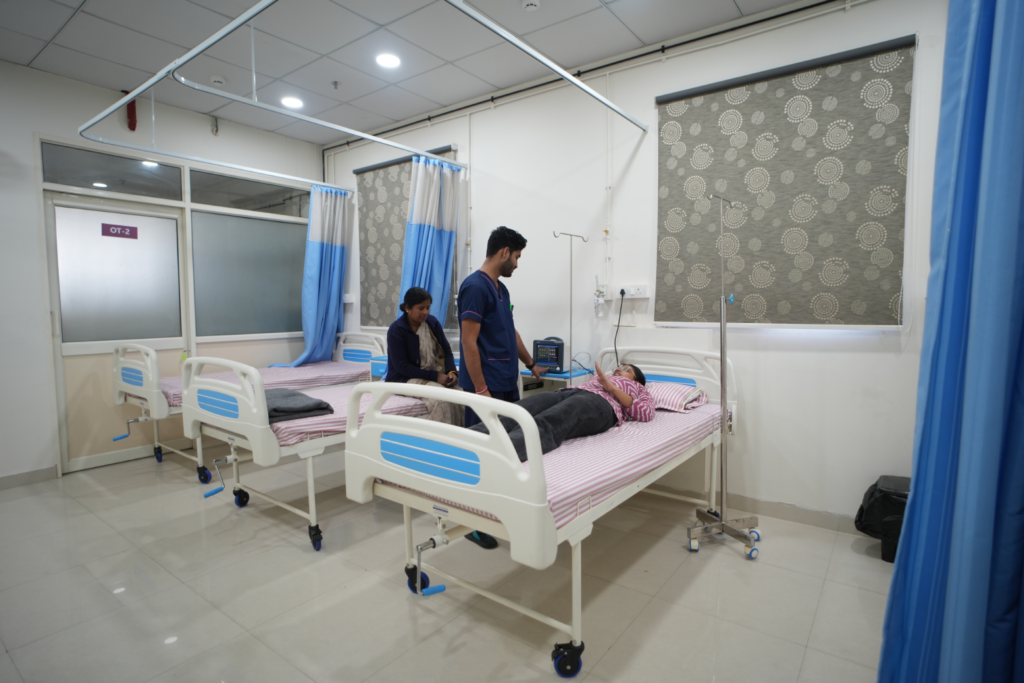
Choosing where to begin fertility care is a personal decision. Patients should look for a centre that takes time to understand their concerns, recommends appropriate investigations, and explains treatment options in a clear and respectful manner. Individualised care helps ensure that decisions are based on the patient’s medical needs, treatment preferences, and relevant clinical findings.
At ASMEE IVF & Fetal Medicine Centre, individuals and couples can seek guidance about fertility evaluation and assisted conception options. If you are looking for Fertility Treatment in Jaipur, a Fertility Clinic in Jaipur, or an IVF and fertility specialist doctor in Jaipur, an initial consultation can help you understand the possible causes of conception difficulties and the next steps in your care. Discuss your medical history, ask questions about available treatments, and request a clear explanation of the recommended approach before making a decision.
Conclusion
Understanding Fertility Treatment in Jaipur begins with identifying the possible reasons for difficulty conceiving and learning about the treatment options available. Fertility evaluation may involve assessing ovulation, reproductive health, sperm quality, and other factors that influence conception. Depending on the findings, treatment may include medication, IUI, IVF, or management of an underlying medical condition.
If you have been trying to conceive without success, seeking advice from ASMEE IVF & Fetal Medicine Centre can help you understand your options and plan the next steps. A personalised assessment, clear communication, and appropriate follow-up are important parts of fertility care. Although no treatment can guarantee pregnancy, professional guidance can help you make informed decisions based on your individual circumstances.
FAQs
1. When should couples seek fertility treatment in Jaipur?
Couples should generally consider an evaluation after 12 months of trying to conceive, or after six months if the woman is aged 35 or older. Earlier assessment may be recommended when known fertility concerns or relevant medical conditions are present.
2. What tests are included in a fertility evaluation?
Depending on the patient’s history, evaluation may include hormone tests, ovulation assessment, pelvic ultrasound, examination of the reproductive tract, and semen analysis. The specialist recommends tests according to individual needs.
3. What is the difference between IUI and IVF?
IUI involves placing prepared sperm into the uterus around ovulation. IVF involves collecting eggs, fertilising them in a laboratory, and transferring an embryo into the uterus when appropriate. The suitable option depends on the underlying fertility concern.
4. How do I choose a fertility clinic in Jaipur?
Consider the qualifications of the medical team, available services, laboratory facilities, treatment transparency, patient counselling, follow-up care, and the clarity of information about costs and potential risks.
5. Does fertility treatment always involve IVF?
No. Depending on the cause of infertility, treatment may involve medication, ovulation monitoring, lifestyle guidance, or IUI. IVF is one of several options and is recommended when appropriate for the patient’s clinical circumstances.
6. Can lifestyle changes improve fertility?
Healthy habits may support general reproductive health, but their effect depends on the underlying cause of infertility. Lifestyle changes should complement, not replace, a recommended medical evaluation and treatment plan.